Looking for the best monitor under 10000 in India? You’re in the right place. A good monitor can improve productivity, enhance entertainment, and deliver a more comfortable viewing experience for work, study, gaming, and everyday use. In this guide, we have carefully selected the best monitor under 10000 based on display quality, refresh rate, connectivity options, build quality, and overall value for money. Whether you need a monitor for your home office, online classes, content consumption, or casual gaming, you’ll find the perfect budget-friendly option here.
Best Gaming Monitor Under ₹10,000
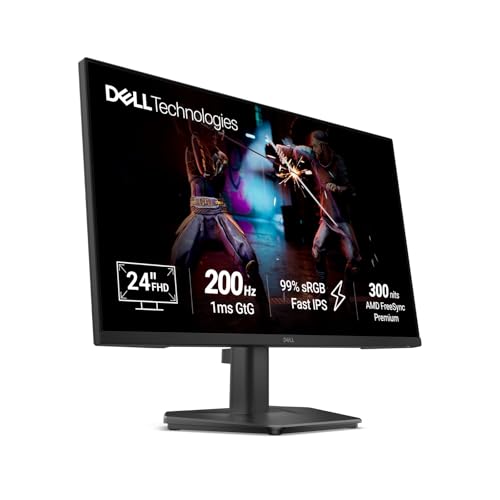
High refresh rate IPS panels with low response time for smooth gameplay, fast action scenes, esports competition, and an immersive gaming experience.
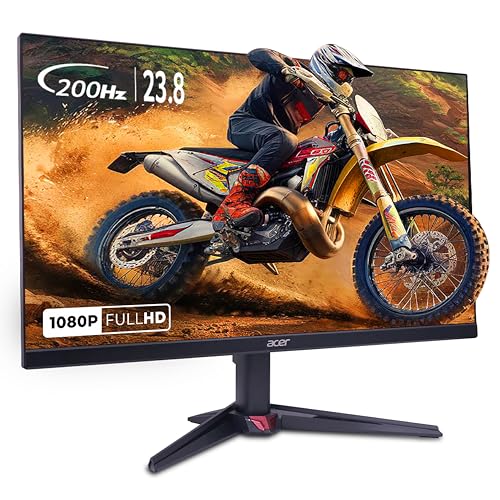
- 【Full HD】The Full HD resolution (1920 x 1080) with IPS Panel ensures a sharp and smooth gameplay experience, even at the…
- 【200Hz refresh rate】The incredible 200Hz refresh rate means that even when the action heats up, your gameplay will be sm…
- 【AMD FreeSync Premium】Enabling smooth gameplay, Eliminating screen tearing, Minimizing lag and latency I With FreeSync, …
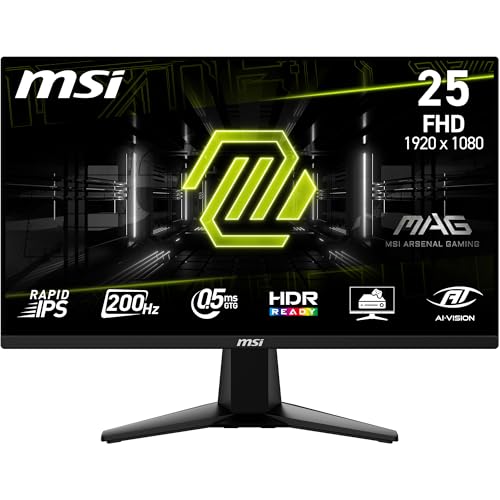
- RAPID IPS IMAGE QUALITY, FRAMELESS GAMING – MSI Rapid IPS panel monitors provide outstanding color intensity, and suppor…
- 24.5” FHD, 200 HZ RAPID IPS – A high definition 1920 x 1080 Rapid IPS panel (16:9) features a high 200 Hz refresh rate f…
- WIDE COLOR GAMUT – The MAG 255F E20 supports up to 1.07 billion colors (8-bit + FRC) colors at 100% sRGB for high color …
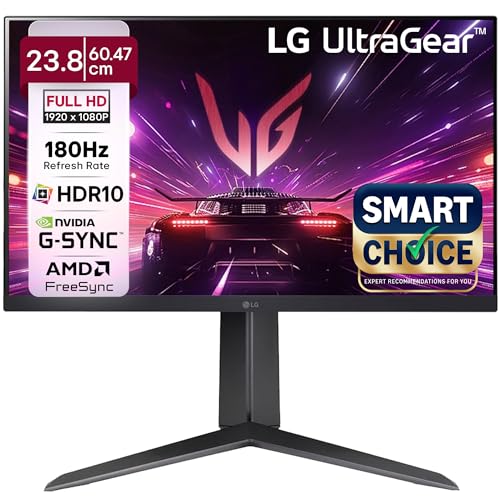
- Display: UltraGear 23.8-inch (60.47cm) IPS panel (1920×1080), 16:9 aspect ratio, With brightness levels of 300 cd/m² (ty…
- SMARTCHOICE PROMISE: Best for Competitive Gamers. With ultra-fast refresh rates and precision response, Smartchoice prod…
- HDR10 & HDR Effect: HDR10 support for enhanced contrast and brightness, HDR Effect mode for vivid, lifelike visuals. The…
Best Eye-Care Monitor Under ₹10,000
Flicker-free technology and low blue light modes for comfortable long-term viewing.

- Samsung 24 Inch Flat IPS Display Monitor FHD 1,920 x 1,080 Resolution
- Aspect Ratio: 16:09 | 178°(H)/178°(V) Viewing Angle | 16.7 Million Color Support | 250 cd/㎡ Brightness (Typical) | 1,000…
- IPS Panel | 100Hz Refresh Rate | Game Mode | Eye Saver Mode & Less Screen Flickering | Super Slim Design
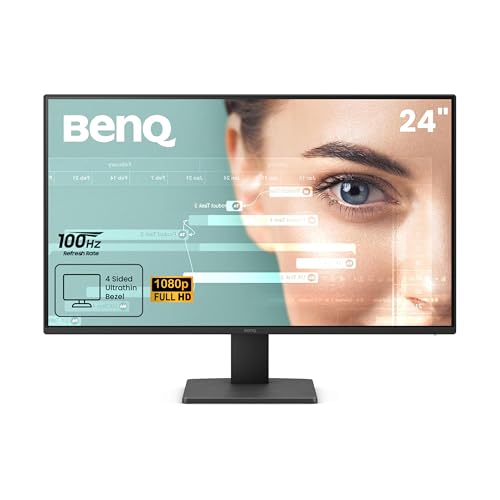
- [Display] 23.8 inch (68.58 cm)1300:1 CR IPS FHD 1920 x1080, 100 Hz Monitor, 99% sRGB, 250 nits, 5ms Response Time, 178/1…
- 100Hz REFRESH RATE: reacts more quickly to changes, resulting in a smoother user experience
- STUNNING VISUALS: IPS panel provides accurate color and image reproduction from any angle and 99% sRGB color space deliv…
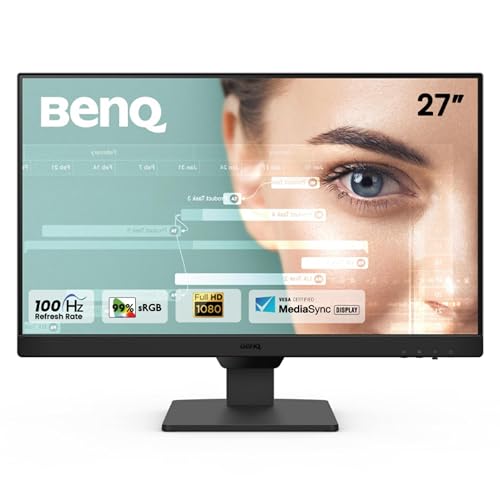
- Display: 27 inch 1300:1 CR 16:9 Aspect ratio, IPS Panel, Full HD 100Hz Monitor, 99% sRGB & 250 nits brigtness for vibran…
- 100Hz Refresh Rate: Enjoy smooth and fluid visuals with our monitor’s lightning-fast 100Hz refresh rate and 5ms Response…
- Professional 99% sRGB Color Gamut: Experience vivid and lifelike colors with our monitor’s 99% sRGB color gamut, ensurin…
Best Work From Home Monitor Under ₹10,000
Ideal for meetings, productivity, multitasking and daily professional work.
Best Monitor for Students Under ₹10,000
Affordable and reliable displays for online classes, projects and study sessions.
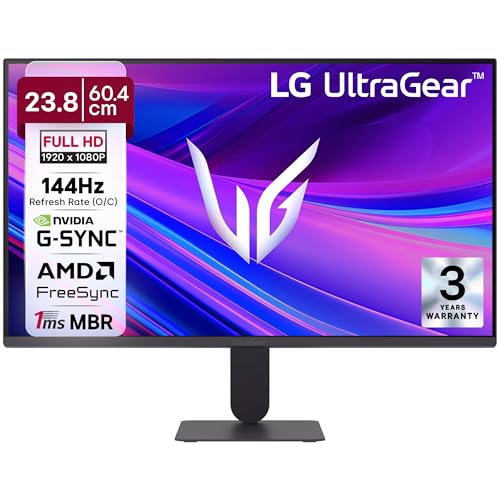
- Display: UltraGear 23.8-inch 60.4 cm IPS panel FHD (1920×1080), 16:9 aspect ratio, With brightness levels of 250cd/m² (t…
- Refresh Rate & Response Time: The monitor runs at a 144Hz refresh rate, paired with a 1ms MBR, 5ms response time (GtG at…
- HDR10 & HDR Effect: HDR10 support for enhanced contrast and brightness, HDR Effect mode for vivid, lifelike visuals. The…
- Smoother, tear-free performance: Enjoy seamless, smooth motion while gaming or streaming content. This monitor delivers …
- Smooth motion: Experience clear visuals, fluid motion and minimal input lag with a 200Hz refresh rate and a fast 1ms res…
- Seamless gaming: AMD FreeSync Premium technology helps eliminate screen tearing for PC gaming, while an HDMI VRR (Variab…
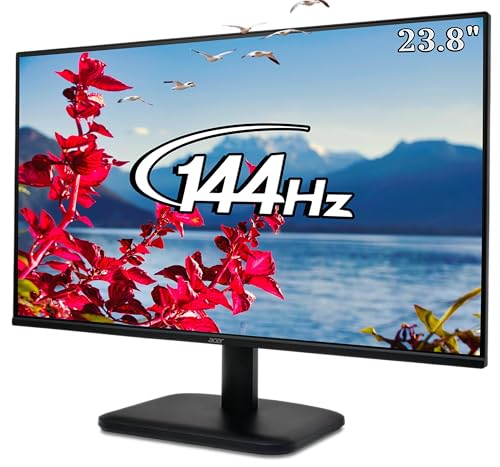
- 【Vibrant Colors】Experience immaculate Picture quality with IPS Full HD Resolution I Frameless Design I 178 degree wide v…
- 【144Hz Refresh】Rapid 144Hz refresh rate, it means that even when the action heats up, your gameplay will be smooth and l…
- 【AMD FreeSync】Enabling smooth gameplay, Eliminating screen tearing, Minimizing lag and latency I With FreeSync, the moni…
Best Monitor for Coding & Programming
Sharp text clarity and ergonomic viewing for developers and programmers.
- [Display] 23.8 inch (68.58 cm)1300:1 CR IPS FHD 1920 x1080, 100 Hz Monitor, 99% sRGB, 250 nits, 5ms Response Time, 178/1…
- 100Hz REFRESH RATE: reacts more quickly to changes, resulting in a smoother user experience
- STUNNING VISUALS: IPS panel provides accurate color and image reproduction from any angle and 99% sRGB color space deliv…
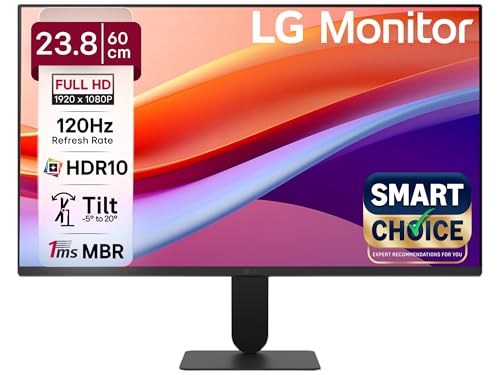
- Display: PC Monitor 24 in (60 cm), IPS panel (1920 x 1080), 16:9 aspect ratio, With brightness levels of 250cd/m² (typic…
- SMARTCHOICE PROMISE: Best for Seamless Work & Entertainment. Designed with crisp IPS visuals and smooth refresh rates, S…
- 120Hz Refresh Rate & 1ms MBR, 5ms Response: With a 120Hz refresh rate and a 1ms MBR 5ms response time, the monitor deliv…
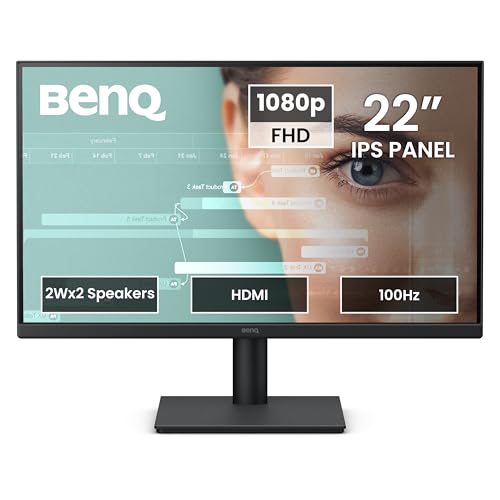
- [Display]: 22 inch 16:9 Aspect Ratio1300:1 CR IPS FHD 1920×1080 100Hz Monitor, 72% NTSC, 250nits brightness for vibrant …
- [Ultrathin Bezel Design]: BenQ GW2291’s ultrathin bezel enhances better viewing and helps you focus better with Tilt (-5…
- [100Hz Refresh Rate and 5 ms Response Time]: Enjoy smooth and fluid visuals with our monitor’s lightning-fast 100Hz refr…
Best IPS Monitor Under ₹10,000
Accurate colours and wide viewing angles for creators and professionals.
- 【Full HD】The Full HD resolution (1920 x 1080) with IPS Panel ensures a sharp and smooth gameplay experience, even at the…
- 【200Hz refresh rate】The incredible 200Hz refresh rate means that even when the action heats up, your gameplay will be sm…
- 【AMD FreeSync Premium】Enabling smooth gameplay, Eliminating screen tearing, Minimizing lag and latency I With FreeSync, …
- [Display] 23.8 inch (68.58 cm)1300:1 CR IPS FHD 1920 x1080, 100 Hz Monitor, 99% sRGB, 250 nits, 5ms Response Time, 178/1…
- 100Hz REFRESH RATE: reacts more quickly to changes, resulting in a smoother user experience
- STUNNING VISUALS: IPS panel provides accurate color and image reproduction from any angle and 99% sRGB color space deliv…
- Display: PC Monitor 24 in (60 cm), IPS panel (1920 x 1080), 16:9 aspect ratio, With brightness levels of 250cd/m² (typic…
- SMARTCHOICE PROMISE: Best for Seamless Work & Entertainment. Designed with crisp IPS visuals and smooth refresh rates, S…
- 120Hz Refresh Rate & 1ms MBR, 5ms Response: With a 120Hz refresh rate and a 1ms MBR 5ms response time, the monitor deliv…
Best Multimedia Monitor Under ₹10,000
Excellent for movies, streaming, YouTube and entertainment.
- Samsung 24 Inch Flat IPS Display Monitor FHD 1,920 x 1,080 Resolution
- Aspect Ratio: 16:09 | 178°(H)/178°(V) Viewing Angle | 16.7 Million Color Support | 250 cd/㎡ Brightness (Typical) | 1,000…
- IPS Panel | 100Hz Refresh Rate | Game Mode | Eye Saver Mode & Less Screen Flickering | Super Slim Design
- Display: PC Monitor 24 in (60 cm), IPS panel (1920 x 1080), 16:9 aspect ratio, With brightness levels of 250cd/m² (typic…
- SMARTCHOICE PROMISE: Best for Seamless Work & Entertainment. Designed with crisp IPS visuals and smooth refresh rates, S…
- 120Hz Refresh Rate & 1ms MBR, 5ms Response: With a 120Hz refresh rate and a 1ms MBR 5ms response time, the monitor deliv…
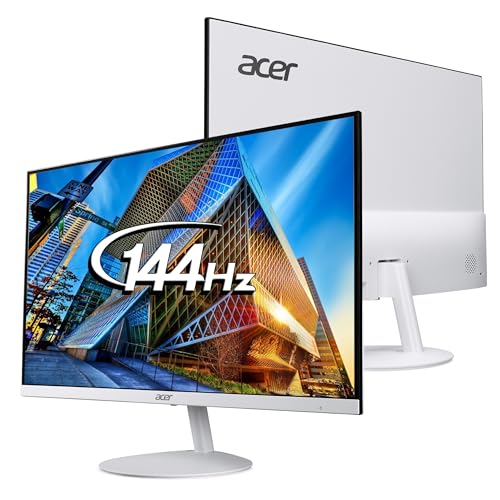
- 【Exceptional Full HD】 IPS 27 Inch Ultra Thin (7.2mm) Display : Enjoy immaculate image quality with 1920×1080 resolution …
- 【144Hz Refresh】Blazing Fast 120Hz refresh rate, it means that even when the action heats up, your gameplay will be smoot…
- 【Connectivity Options】Connectivity Ports includes 1 x VGA Port, 1 x HDMI, Audio-In, Audio Out Ports, with Inbox HDMI Cab…
Best Value for Money Monitor Under ₹10,000
The perfect balance of performance, features and affordability.
- Samsung 24 Inch Flat IPS Display Monitor FHD 1,920 x 1,080 Resolution
- Aspect Ratio: 16:09 | 178°(H)/178°(V) Viewing Angle | 16.7 Million Color Support | 250 cd/㎡ Brightness (Typical) | 1,000…
- IPS Panel | 100Hz Refresh Rate | Game Mode | Eye Saver Mode & Less Screen Flickering | Super Slim Design
- [Display] 23.8 inch (68.58 cm)1300:1 CR IPS FHD 1920 x1080, 100 Hz Monitor, 99% sRGB, 250 nits, 5ms Response Time, 178/1…
- 100Hz REFRESH RATE: reacts more quickly to changes, resulting in a smoother user experience
- STUNNING VISUALS: IPS panel provides accurate color and image reproduction from any angle and 99% sRGB color space deliv…
- 【Vibrant Colors】Experience immaculate Picture quality with IPS Full HD Resolution I Frameless Design I 178 degree wide v…
- 【144Hz Refresh】Rapid 144Hz refresh rate, it means that even when the action heats up, your gameplay will be smooth and l…
- 【AMD FreeSync】Enabling smooth gameplay, Eliminating screen tearing, Minimizing lag and latency I With FreeSync, the moni…
Best Monitor Under 10000 in India (2026)
Looking for the best monitor under 10000 in India? A quality monitor can completely transform your computing experience, whether you’re working from home, attending online classes, editing documents, browsing the web, watching movies, or enjoying casual gaming.
Today’s budget monitors offer impressive features including Full HD resolution, IPS panels, eye-care technology, slim bezels, higher refresh rates, and larger screen sizes at affordable prices. If you want to explore displays across every budget category, you can also check our complete guide to the best PC monitors in 2026.
This guide helps you choose the perfect display based on screen size, panel type, refresh rate, connectivity, and overall value for money.
🖥️ Why Choosing the Right Monitor Matters
Your monitor is the device you spend the most time looking at every day. A better display can improve productivity, reduce eye strain, enhance image quality, and make multitasking easier.
Investing in the best monitor under 10000 can provide a noticeable upgrade over older displays without stretching your budget. Even affordable models now offer features that were previously available mainly in premium monitors.
- Sharper visuals
- Better colour reproduction
- Reduced eye fatigue
- Improved productivity
- Smoother gaming experience
- Enhanced entertainment
📏 Screen Size: Finding the Perfect Display
Screen size plays a major role in overall comfort and usability. The right size depends on your desk space, viewing distance, and daily tasks.
21.5-Inch Monitor
A 21.5-inch monitor is a compact and affordable choice suitable for students, home users, and office environments where desk space is limited.
24-Inch Monitor
A 24-inch monitor is one of the best choices for most users because it offers an excellent balance between workspace, clarity, comfort, and affordability. Many of the best monitors available today are available in this popular screen size.
27-Inch Monitor
A 27-inch monitor provides a more immersive experience with a larger viewing area, making multitasking, entertainment, and content consumption more enjoyable. However, Full HD resolution may appear less sharp on larger displays compared with a 24-inch screen.
🎨 Display Panel Types Explained
Understanding panel technology is essential when choosing a monitor because IPS, VA, and TN panels offer different advantages. For a detailed comparison, read our complete guide on IPS vs VA vs TN display panels.
IPS Panel
- Excellent colour accuracy
- Wide viewing angles
- Better image consistency
- Ideal for productivity and entertainment
For most people searching for the best monitor under 10000, an IPS panel is usually the best all-round choice.
VA Panel
- High contrast ratios
- Deeper blacks
- Great for movies and streaming
TN Panel
- Fast response times
- Budget-friendly pricing
- Suitable for basic gaming
Before choosing a panel type, compare the advantages of IPS, VA, and TN monitor technology based on your primary usage.
🔍 Full HD Resolution: The Sweet Spot
For most users, Full HD (1920×1080) resolution delivers the ideal combination of sharpness, performance, compatibility, and affordability.
- Clear text rendering
- Detailed images
- Better video quality
- Enhanced productivity
- Improved gaming visuals
Full HD resolution remains especially suitable for 21.5-inch and 24-inch monitors in this price range.
⚡ Refresh Rate and Performance
Refresh rate determines how smoothly content appears on your screen. Higher refresh rates can improve scrolling, gaming responsiveness, and overall visual smoothness.
60Hz Monitors
60Hz monitors are suitable for office work, browsing, video streaming, online classes, and everyday computing.
75Hz Monitors
75Hz monitors offer smoother scrolling, better responsiveness, and an improved experience for casual gaming compared with traditional 60Hz displays.
100Hz and Above
Higher refresh rates are increasingly available in affordable monitors and can provide noticeably smoother motion. If gaming is your main priority, explore our dedicated guide to the best gaming monitors under 10000.
👀 Eye-Care Features for Long Working Hours
Eye-care technologies have become increasingly important for students, professionals, and anyone who spends long hours in front of a display.
Blue Light Filter
Blue light filter settings can help reduce blue light exposure and provide a more comfortable viewing experience, particularly during extended usage.
Flicker-Free Technology
Flicker-free technology helps minimise visible screen flickering and can improve viewing comfort during long working sessions.
Anti-Glare Screen
An anti-glare display improves visibility in bright environments and reduces distracting reflections from lights and windows.
🔌 Connectivity Options to Look For
Modern monitors should offer flexible connectivity options for maximum compatibility with laptops, desktops, gaming consoles, and other devices.
- HDMI: Essential for laptops, desktops, and gaming consoles.
- VGA: Useful for connecting older computers and devices.
- DisplayPort: Supports higher refresh rates and excellent image quality on compatible systems.
- Audio Output: Convenient for connecting headphones and external speakers.
🎮 Best Monitor Under 10000 for Gaming
Gamers should prioritise features that improve responsiveness, motion clarity, and visual quality.
- Full HD resolution
- 75Hz or higher refresh rate
- Low response time
- IPS display panel
- HDMI connectivity
These specifications can help deliver a smoother gaming experience without significantly increasing your budget. For gaming-focused recommendations, see our complete list of the best gaming monitors under ₹10,000.
You can also explore detailed monitor reviews, including the Dell SE2425HG review, the Dell SE2426HG 240Hz gaming monitor review, and the Acer Nitro VG240Y X1 review.
💼 Best Monitor Under 10000 for Office Work
For productivity-focused users, comfort, screen clarity, and colour consistency should be the top priorities.
- 24-inch screen size
- IPS display
- Full HD resolution
- Thin bezels
- Eye-care features
These features provide a comfortable workspace for spreadsheets, emails, presentations, web browsing, and video meetings.
If you need a professional monitor for office productivity, you can also check our Dell P2425H 24-inch IPS monitor review.
🏆 Recommended Monitor Reviews to Explore
Before making your final decision, these detailed monitor reviews and buying guides can help you compare different options:
- Best PC Monitors in 2026
- Best Gaming Monitor Under ₹10,000
- IPS vs VA vs TN: Which Panel Is Best?
- Acer Nitro VG270U X1 Review
- Best LED Monitors
🏆 Final Verdict
The best monitor under 10000 in India offers excellent value with features that were previously limited to more expensive models.
For most users, a 24-inch Full HD IPS monitor with eye-care technology, a 75Hz or higher refresh rate, and modern HDMI connectivity is an excellent choice. Whether you need a monitor for work, study, entertainment, or casual gaming, today’s budget displays can deliver impressive performance without compromising on essential features.
If you’re still comparing options, continue with our complete guide to the best PC monitors in 2026 to explore more displays across different budgets and use cases.
❓ Best Monitor Under ₹10,000 – Frequently Asked Questions
🏆 Which is the Best Monitor Under ₹10,000 in India?
A 24-inch Full HD IPS monitor is usually the best choice under ₹10,000 because it offers excellent display quality, wider viewing angles, eye comfort features, and great value for money.
📏 Is a 24-Inch Monitor Better Than a 22-Inch Monitor?
Yes. A 24-inch monitor provides more screen space, better multitasking, improved productivity, and a more immersive viewing experience for work, study, and entertainment.
🎨 Which Display Panel is Best: IPS, VA, or TN?
IPS panels are considered the best for most users because they deliver superior colour accuracy, wider viewing angles, and sharper image quality compared to VA and TN panels.
🔍 Is Full HD Resolution Worth It in 2026?
Absolutely. Full HD (1920×1080) remains the ideal resolution under ₹10,000, offering crisp text, clear images, and excellent visual quality for daily use.
⚡ Is a 75Hz Monitor Better Than a 60Hz Monitor?
Yes. A 75Hz monitor provides smoother scrolling, improved responsiveness, and a better overall experience, especially for gaming and fast-moving content.
🎮 Can I Use a Budget Monitor for Gaming?
Yes. Many monitors under ₹10,000 now include Full HD displays, faster refresh rates, and low response times, making them suitable for casual and competitive gaming.
👀 Do Eye-Care Features Really Reduce Eye Strain?
Yes. Features like Low Blue Light Mode, Flicker-Free technology, and Anti-Glare screens help reduce eye fatigue during long working, studying, or gaming sessions.
🔌 Which Ports Should a Monitor Have?
At minimum, choose a monitor with an HDMI port. Additional ports such as VGA and DisplayPort provide greater flexibility for connecting laptops, desktops, and gaming consoles.
💰 How Long Does a Good Monitor Last?
A quality monitor from a trusted brand typically lasts between 5 and 10 years when used and maintained properly, making it a worthwhile long-term investment.